Friday, April 13, 2012
Exercising After Breast Surgery
Linda Hurtado continues to inspire and educate the public about breast cancer as she struggles with her own recovery. In the video below, Linda's plastic surgeon gives some good advice on getting back to exercising after breast surgery.

Friday, March 23, 2012
We All Need Somebody
Check out this story about three sisters that are battling breast cancer at the same time. Even though each of them have had to go through this cancer, they have had each other to draw strength from.
Who do you lean on during times of hardship? It is important to have a support system as you go through the difficult time of treatment and recovery.
 The Breast Care Center, right down the hall from us at the LifeHope Medical Office Building, holds a support group every fourth Tuesday of the Month. There you can meet with others who have either had breast cancer, or are going through breast cancer at the same time you are. Certainly your family and friends are a key support during your trial with cancer, but sometimes it is nice to hear from someone who has been there. Someone who has felt the pain and fear you may have. Someone who is learning just as you are how to navigate through the lengthy process of cancer care. Come and join the group. You will get to ask questions you may have about your care and hear from others who have breast cancer. Who knows, maybe you will be that special support to someone who needs to hear your experience.
Go to our website to see times and dates for upcoming meeting times.
Who do you lean on during times of hardship? It is important to have a support system as you go through the difficult time of treatment and recovery.
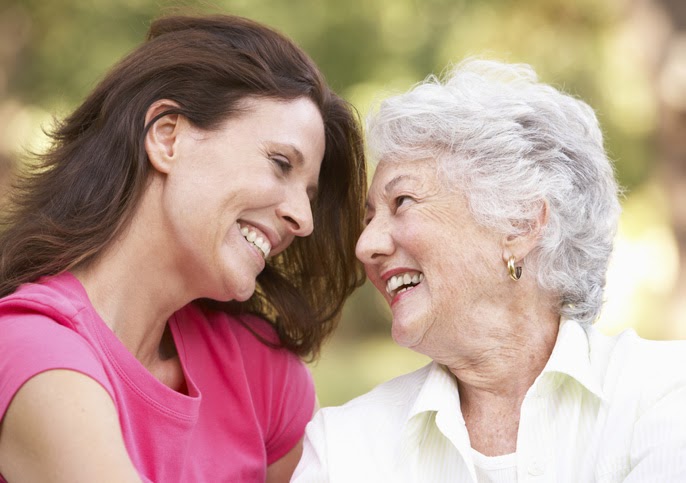 The Breast Care Center, right down the hall from us at the LifeHope Medical Office Building, holds a support group every fourth Tuesday of the Month. There you can meet with others who have either had breast cancer, or are going through breast cancer at the same time you are. Certainly your family and friends are a key support during your trial with cancer, but sometimes it is nice to hear from someone who has been there. Someone who has felt the pain and fear you may have. Someone who is learning just as you are how to navigate through the lengthy process of cancer care. Come and join the group. You will get to ask questions you may have about your care and hear from others who have breast cancer. Who knows, maybe you will be that special support to someone who needs to hear your experience.
Go to our website to see times and dates for upcoming meeting times.
Friday, February 17, 2012
Managing Your Scar
What is a scar?
Scars result when the body
repairs skin wounds caused by surgery, accident or disease. They are the
natural result of the healing process. The longer it takes a wound to heal and
the more damaged the skin, the greater the chance of a noticeable scar. The
location on the body or face as well as the patient’s age and skin type will
affect the way a scar forms. Older skin tends to scar less visibly whereas
younger skin tends to over-heal resulting in larger and thicker scars.
Why are scars
visible?
Mature scars become visible if
they are raised, indented, or if they exhibit a different color or texture
compared to the surrounding skin. Additionally, scars that cross wrinkles or
natural expression lines will appear more visible because they neither follow a
natural pattern nor look like a naturally occurring line.
Why do scars form?
All skin wounds will result in a
scar. When a skin wound occurs from surgery, accident or disease, the body will
respond with normal wound healing. Wound healing is characterized by three
sequential and overlapping phases.
- Inflammation: In the first phase the body tries to heal the skin wound by a process of inflammation. During this time the scar will be swollen, tender and red. This phase can last up to two weeks.
- Proliferation: In the second phase the body starts the skin repair process by depositing scar tissue within the wound. In this phase, which may last up to six weeks, the scar will become raised and hard as large amounts of collagen are being laid down within the scar. During the proliferation phase a scar is considered immature and is characterized by the three R’s: red, raised and rigid.
- Remodeling: In this third phase the body works on the scar to soften and flatten it. During this period the scar will become more mature as some of the collagen disappears. This phase can last from twelve to eighteen months.
How can I lessen my
scar?
Scar formation and scar
maturation are ongoing processes. Scars continue to grow and change throughout the
recovery process which may take from twelve to eighteen months. Scar massage is
an effective way to decrease scar tissue build up and help make scars less
noticeable. Massage will not help soften a scar more than two years old.
What is scar massage?
Scar massage is one method of
softening and flattening scars. It serves several important functions:
- Promoting collagen remodeling by applying pressure to scars
- Helping to decrease itching
- Providing moisture and flexibility to the scar
When should I start
massaging my scars?
You should start massaging your
scars two weeks after surgery. Wait until the sutures have been removed and all
scabs have fallen off by themselves. Do not pull your scabs off.
How do I massage my
scars?
Use the pads or
soft tips of your fingers to massage the scar and tissue around the scar.
Massage in all three directions.

Circles: Using two
fingers make small circles over the length of the scar and the skin surrounding
it.
Vertical: Using two
fingers massage the scar up-and-down.
Horizontal: Using two
fingers massage the scar from side-to-side.
How much pressure
should I apply?
You should apply as much pressure
as you can tolerate. Begin with light pressure and progress to deeper and
firmer pressure. Massage lotion in, applying enough pressure to make the scar
area lighten in color or turn white.
How often should I
massage my scar?
Massage should be done two to
three times daily for ten minutes each time.
How long is massaging
necessary?
You should massage your scars as
instructed for at least six months following your surgery or injury. Massaging
for more than six months will not hurt your scars and may actually prove
beneficial.
When should I stop
massaging?
Stop massaging and contact your
doctor if you experience any of the following:
- Redness
- Bleeding
- Scar feels warmer than the skin around it
- More pain than usual at the site of the scar
What else should I
know about scars?
While your scars are healing, you
should avoid sun exposure. Sun exposure may cause your scars to hyper pigment,
or turn darker than the surrounding skin. You should use sun block with an SPF
of 35 or greater and wear protective clothing at all times. Keep your scars
away from the sun for at least one year following your surgery.
What lotion should I
use?
- Use any moisturizing lotion that will keep your skin soft and supple.
- Do not use heavily perfumed lotions.
- Do not use any lotion containing vitamin E for the first month following your surgery or injury. You may use vitamin E containing lotions after the first month.
The following is a
list of some examples:
Arbonne®
Eucerin®
Nivea®
Aveeno®
Mederma®
Copper Scar Cream®Friday, February 3, 2012
Butterflies and Roses
The newly diagnosed breast cancer patient reminds me of a butterfly. Shrouded in transcendent beauty; their fragile nature can be so easily tossed to and fro by the winds of adversity. During this dread experience, they make their way along the path of life with great difficulty sometimes appearing as if there is little direction to their forward progress, yet somehow making it to their intended goal. Sometimes only with great difficulty is their destination accomplished. Sometimes, the flight is smooth and undaunted and occasionally the path leads to an untimely end.
For those who survive and endure the flight the reward is met by a transformation of resolve and duty to help protect the species. At this point they become as roses. Majestic, beautiful yet delicate and filled with sweet nectar of life from which the butterfly may draw its sustenance. The rugged thorns, spawned by adversity, provide an unyielding source of resiliency and protection to the fragile butterflies that descend upon these flowers for sustenance. It is a magnificent transformation that occurs in the lives of these women whom I admire greatly. To play a small but instrumental role in that transformation from despair to hope, to a new fulfilling and more meaningful life, is a daily inspiration and constant testament to the undaunted human spirit. The sadness of those who enter and do not leave only strengthens my resolve to fight cancer together and search harder and work more diligently.
To be among the butterflies and roses has been a pleasure, at times chaotic and thorny, but for the most part beautiful and rewarding. It is my hope that we can all embrace the beauty and hope life brings despite the adversity and sorrow we each must face.
-Charles E. Cox, M.D.
Wednesday, January 18, 2012
Hints to Help with Cancer-Related Fatigue
Ever wonder why you are so tired
all the time? This may be related to your treatment. Here are some hints to
help with fatigue you may be having. Your nurse or doctor will review this
information with you and answer any questions that you may have.
What is cancer-related fatigue?
Cancer-related fatigue is a
feeling of tiredness, often much worse than the tiredness healthy people feel.
It may not go away with sleep and can occur when you are not doing anything. It
can appear suddenly and is often overwhelming.
It may be physical, emotional
and/or mental exhaustion. Your body, especially your arms and legs, may feel heavy.
You may have less of a desire to do normal activities, like eating or shopping.
You may also find it hard to concentrate or think clearly. Some words often
used to describe fatigue include weakness, a lack of energy, sleepiness,
drowsiness, confusion, and impatience. Some have described fatigue as ‘I don’t
feel like myself’ or feeling drained after activities like cooking or bathing.
Other words used to describe fatigue include worn-out, pooped, low blood, low
energy with a strong desire to stop and rest or lie down and sleep.
Causes of fatigue
·
Fatigue
is one of the most common symptoms of cancer treatment. Problems like sleep
disruption, stress, not eating or drinking enough may make fatigue worse.
Treatments such as surgery, radiation therapy, chemotherapy or other forms of
cancer treatment and their side effects can add to fatigue.
·
Patients
who have nausea and vomiting may not eat enough to keep up their energy levels.
Anemia, a low blood count of red blood cells, is another common side effect of
cancer treatment that is known to cause fatigue. Your doctor will check your
blood counts and may order treatment if the counts are low.
·
Emotional
stress, coping with anxiety, conflict, sadness, traveling to and from
treatments and even tension among loved ones require extra energy, which can
add to the feeling of fatigue. Changes in your routine such as sleeping,
eating, and working patterns may change and affect your level of energy.
To help avoid or lessen fatigue
Side effects from treatment, such
as fatigue, vary among persons with cancer. Here are some tips to help you cope
with fatigue:
·
Plan
rest breaks into your day. Take short naps or breaks, rather than one, long
rest period. Don’t overdo it with rest and sleep. Too much rest can decrease
your energy level.
·
Eat
as well as you can.
·
Drink
plenty of fluids.
·
Pace
yourself and stay as active as you can. Do regular light exercise such as short
walks if possible.
·
Try
easier and shorter versions of activities you enjoy.
·
Try
less strenuous activities such as listening to music or reading.
·
Keep
a diary of how you feel each day. This can help you plan your daily activities.
·
Share
your feelings with others such as in a support group. This can help ease the
burden of fatigue and can help you learn hints from talking about your
situation.
·
Save
your energy for the most important things. Spread your activities throughout
the day. Do not force yourself to do more than you can manage.
·
Store
items you will use a lot within easy reach and close by to reduce trips.
·
Allow
others to do some things that you usually do. Mowing the lawn, food shopping,
helping with meals, and running errands are good examples.
·
Become
aware of what helps you to feel less tired and make those activities a priority
for you.
·
Use
proper body mechanics. When sitting, use well-supporting chairs; adjust work
heights when possible to avoid bending over; bend at hips and knees, not at
back; and carry several smaller loads or use a cart.
·
Limit
overhead work by using long handled tools, storing items lower, and asking for
help.
·
Avoid
extremes of temperature, smoke or noxious fumes, and long, hot showers or
baths.
·
Wear
a terry cloth bathrobe to dry off after bathing instead of a towel.
·
Learn
techniques to help you relax.
Call your nurse or doctor if you
·
Get
dizzy
·
Feel
a loss of balance when walking or getting out of bed or up from a chair
·
Fall
or hurt yourself
·
Have
a problem waking up
·
Have
a problem catching your breath
·
Have
a sudden increase in fatigue
·
Have
been too tired to get out of bed for the past 24 hours
·
Feel
confused or cannot think clearly
·
Feel
your fatigue has worsened
If You Need to Call
Our clinic phone number is: 813-793-4272
If you are interested in learning
more about support groups, you may contact the nurse navigator, Theresa Winsey
at (813) 615-7121. The American Cancer Society also offers
support groups. You may call 1-800-ACS-2345 for more information or the local
office in Tampa, at (813) 254-3630.
Subscribe to:
Posts (Atom)